
 Buy Tickets
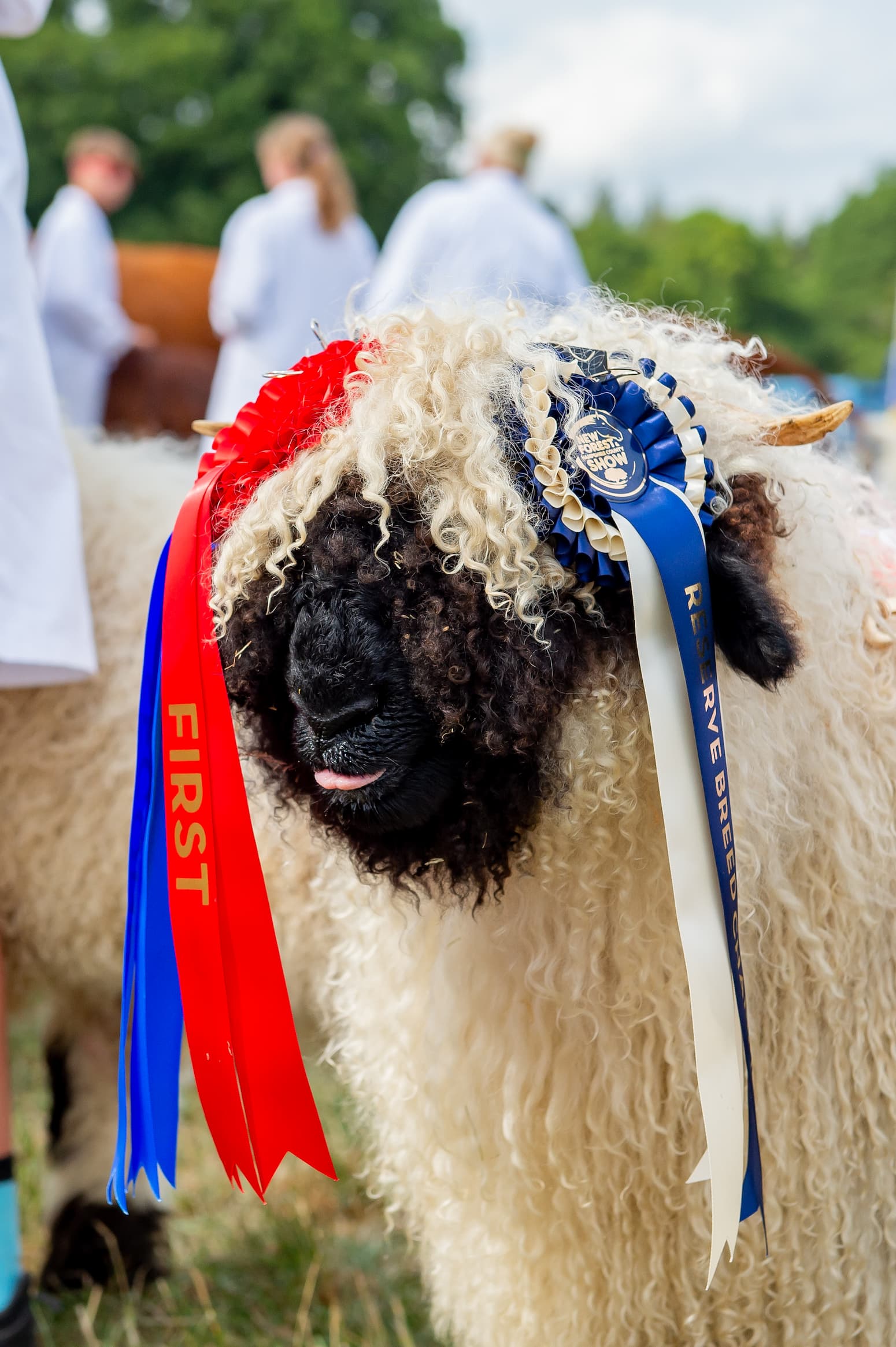
If you’ve ever wandered through the livestock rings at the New Forest Show and wondered just how judges decide which animal deserve first prize – you’re not alone.
At first glance, many of the animals look very similar. But experienced judges know what they are looking for, and it goes far beyond appearances. They are there to carefully assess the animals against the official breed standard, looking at everything from body shape to coat or fleece quality and of course, overall health.
So, whether you’re planning to watch the judging for the first time or simply want to understand what makes a champion animal, this guide explains all the basic need-to-knows.

What Is Livestock Judging?
Livestock judging is the process of evaluating animals against the ideal characteristics for their breed. Every recognised breed has a ‘breed standard’, which sets out the physical traits, structure and characteristics that represent the best example of that breed. The judge’s role is to compare each animal with that guideline and decide which one matches it the best.
It’s important to remember that judges aren’t simply choosing the biggest or most attractive animal – they aim to assess a combination of breed characteristics, condition and overall proportions, amongst other qualities.

What Does “Conformation” Mean?
One of the most common words you’ll hear during livestock judging is ‘conformation’.
Conformation refers to an animal’s physical structure and how well its body is put together. ‘Good conformation’ means the animal has the right shape, proportions and balance for its breed.
Judges look for animals that are:
- Well-balanced and proportioned
- Structurally sound
- Healthy and fit
- True to their breed’s characteristics
How Are Sheep Judged?
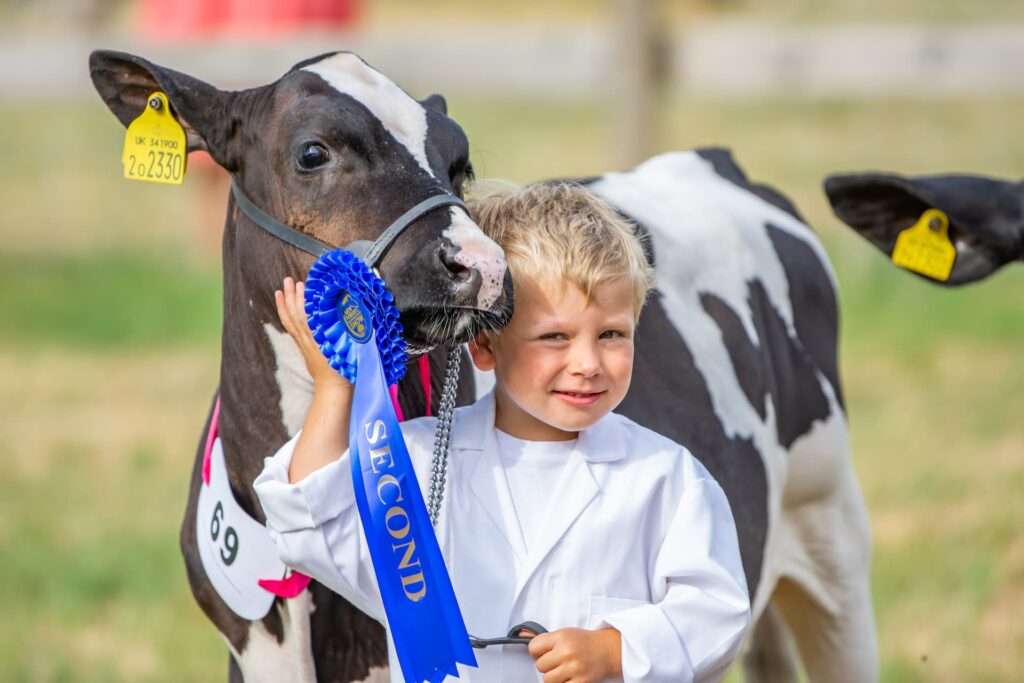
When judging sheep, appearance is only part of the picture – judges also assess how closely each sheep matches its breed standard.
They look at:
- Overall size and height
- Body shape and balance
- Wool texture and quality
- Length and colour of the fleece
- Head shape
- Eye position
- Ear shape and placement
- Mouth and jaw alignment
- Legs and feet
- Overall condition and health
Different breeds are bred for different purposes, so judges consider the characteristics that make each breed distinctive.
How Are Cattle Judged?
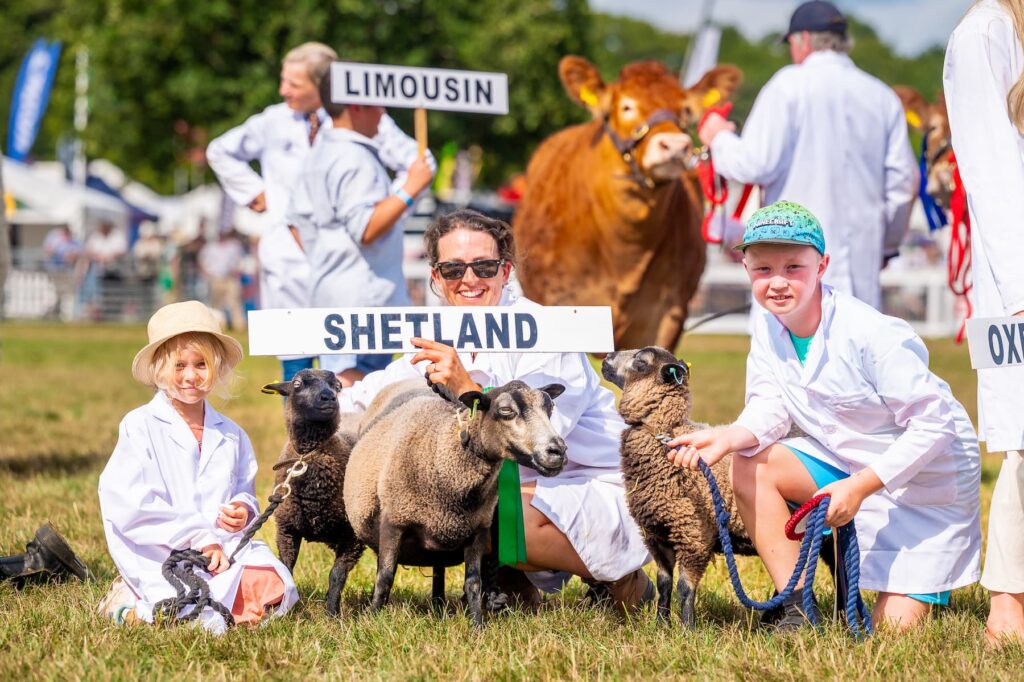
For cattle, judges focus on the animal’s overall build and proportions.
They’ll assess:
- Size and frame
- Muscle development
- Body condition
- Strength and balance
- Width through the shoulders and hindquarters
- Overall proportions
- Breed characteristics
As with sheep, the aim is to identify the animal that most closely reflects the ideal breed standard.
Why Do Animals Walk Around the Ring?
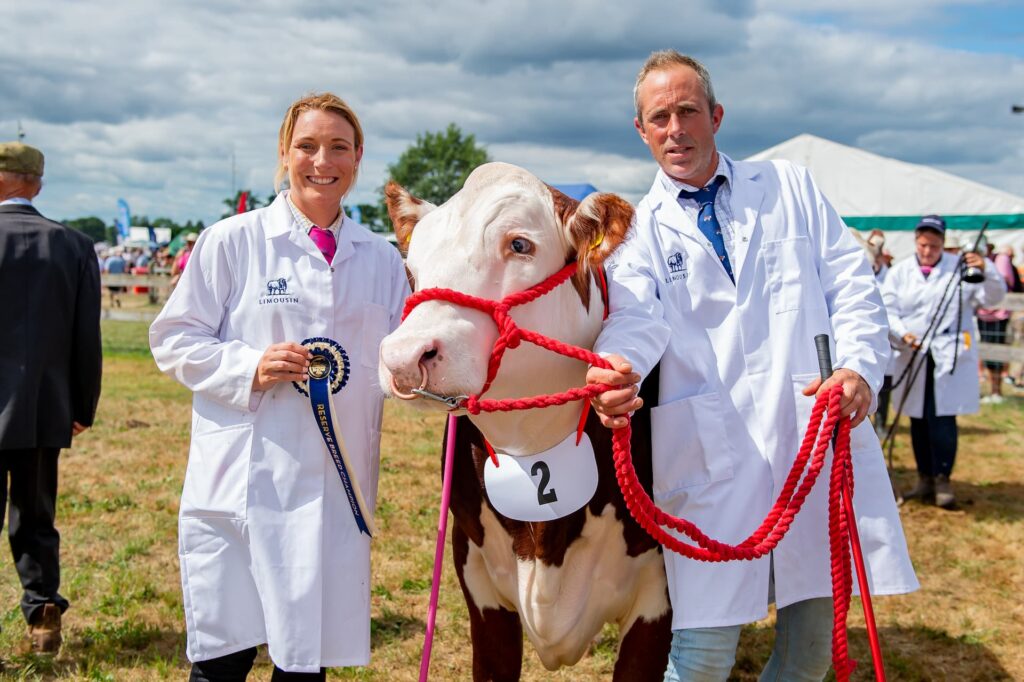
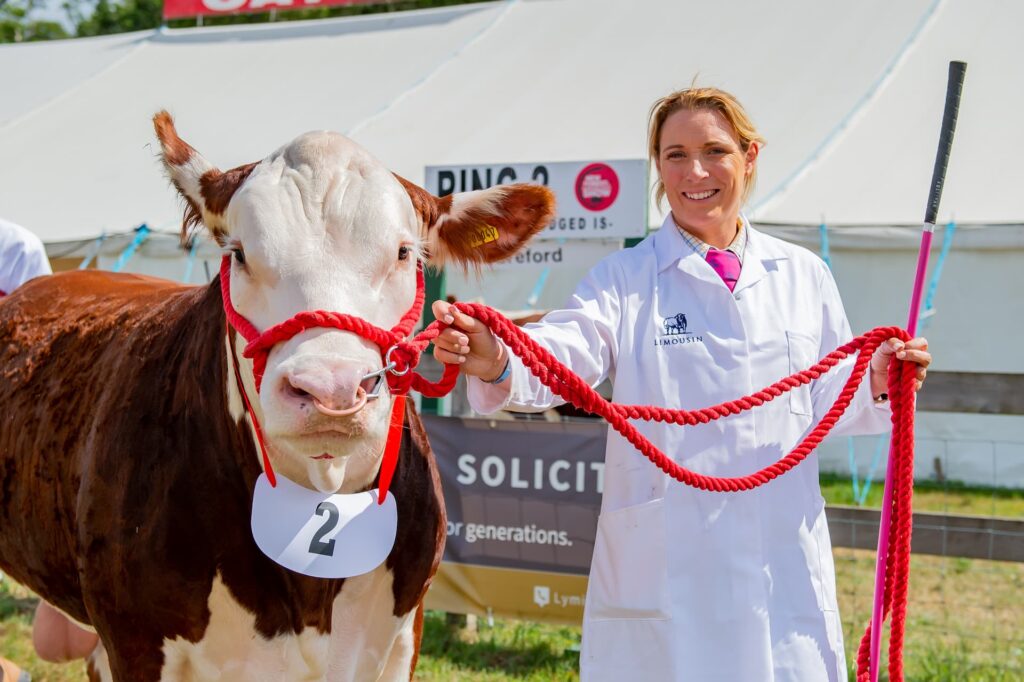
If you’ve watched livestock judging before, you’ll notice exhibitors leading their animals around the ring – this isn’t just so we can all get a good look at them! The judges watch the animal move, and this helps them assess its balance – an animal that moves freely and naturally is often considered structurally stronger than one with uneven or restricted movement.
Do Judges Touch the Animals?
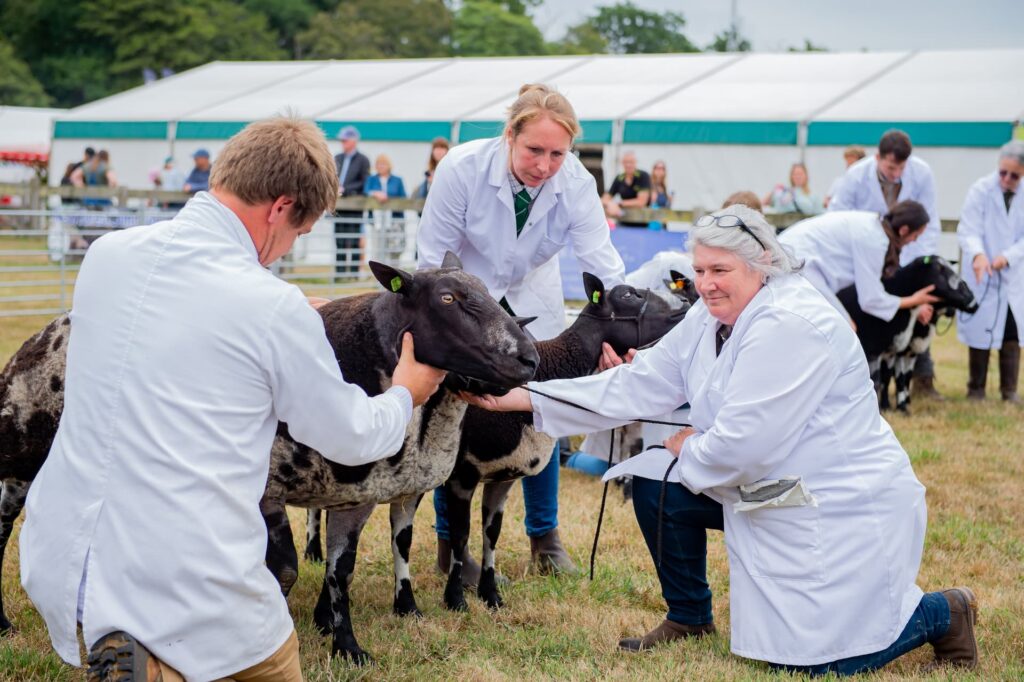
Yes. In many livestock classes, judges carry out a hands-on inspection of the animals.
For example, they may feel:
- Muscle development
- Bone structure
- Body condition
- Wool or fleece quality
- Overall firmness and balance
This allows them to assess features that can’t always be judged by sight alone.
Why Are Breed Standards So Important?
Every livestock breed has developed over many generations to have particular characteristics. Breed standard guidelines help preserve these qualities by providing a clear description of the ideal example of the breed.
By rewarding animals that best meet these standards, the aim is for these competitions to encourage careful breeding and help maintain healthy, high-quality animals for future generations.
What Makes a Champion Animal?
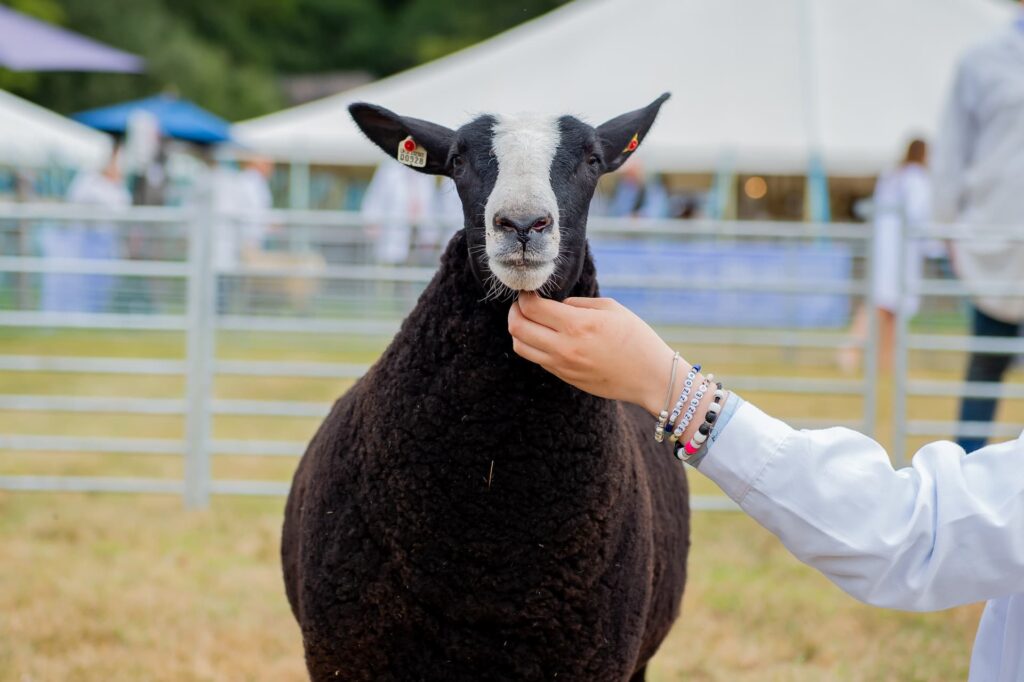
A winning animal will typically combine several qualities:
- Excellent conformation
- Strong breed characteristics
- Good health and condition
- Free and easy movement
- High-quality coat or fleece (if appropriate)
No single feature determines the result – it’s the combination of all these factors that helps judges identify the best overall example of a livestock breed!
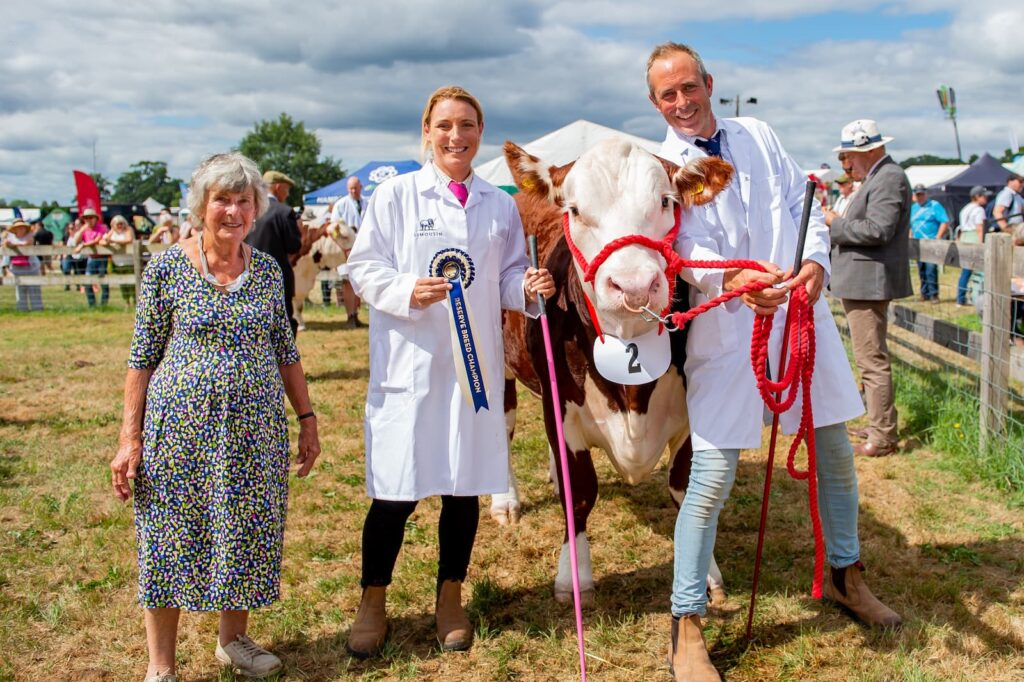
Enjoy Watching the Judging at the New Forest Show
One of the best ways to appreciate livestock judging is to spend a little time watching the judging rings during your visit to the New Forest Show.
Even if you’re completely new to livestock, you’ll soon begin to notice the details judges are looking for. Listen to any commentary, compare the animals yourself and see if you can spot the features that make each champion stand out.
It’s a fascinating insight into British farming, traditional livestock breeding and the care that goes into producing healthy, high-quality animals.
Whether you’re visiting with family, considering keeping livestock yourself or are simply curious about rural life, understanding how livestock judging works adds a whole new dimension to your day at the Show.
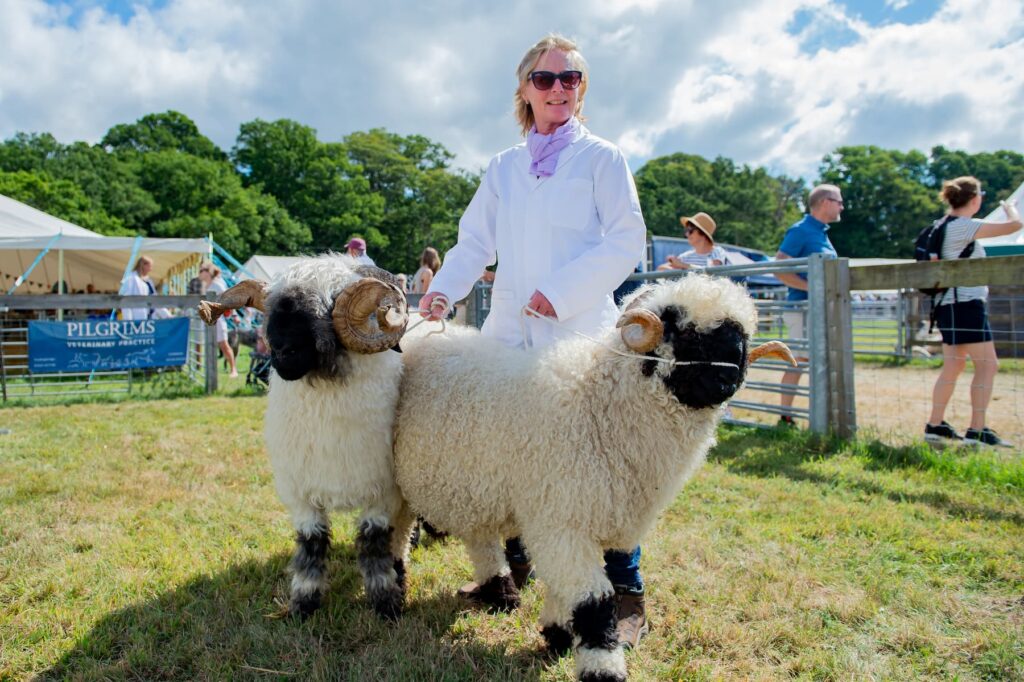
Quick-fire FAQs
Judges compare each animal against its breed standard, looking at conformation, breed characteristics, health, condition and, in some classes, movement.
Conformation describes an animal’s physical structure, balance and proportions, and how closely these match the ideal for its breed.
Judges watch animals move to assess their gait, balance and structural soundness, which can reveal qualities that aren’t obvious when standing still.
Yes. Judges often carry out a hands-on assessment to evaluate muscle, body condition, bone structure and fleece or coat quality, depending on the species.
No. While appearance matters, judges also assess structure, movement, health, condition and how well the animal represents its breed standard.